泥泊爾Viet 戲劇
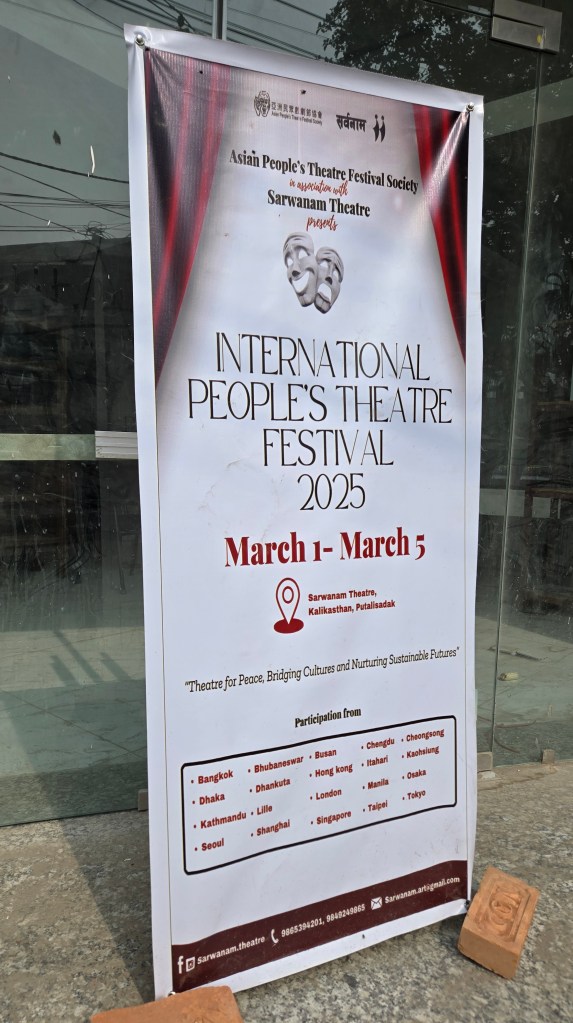
地點:Sarwanam Theatre, Kalikastham, Putalisadak, Kathmandu, Nepal
日期:1st March to 5th March2025
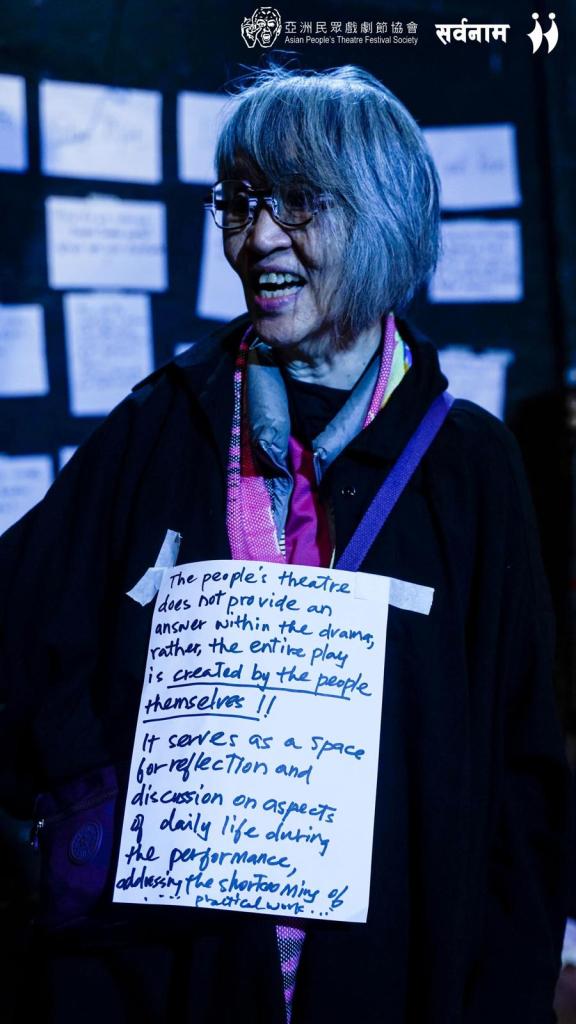
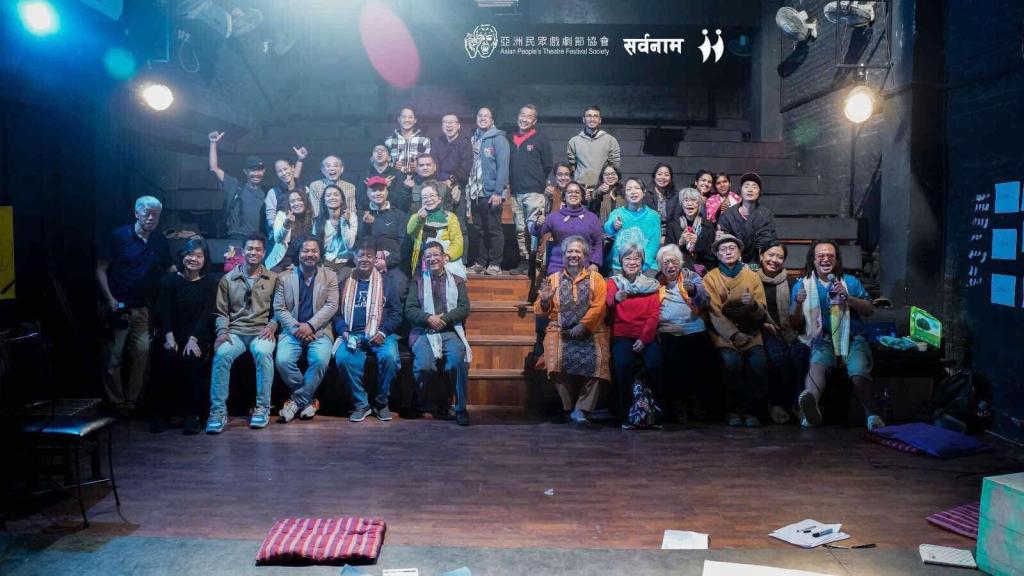
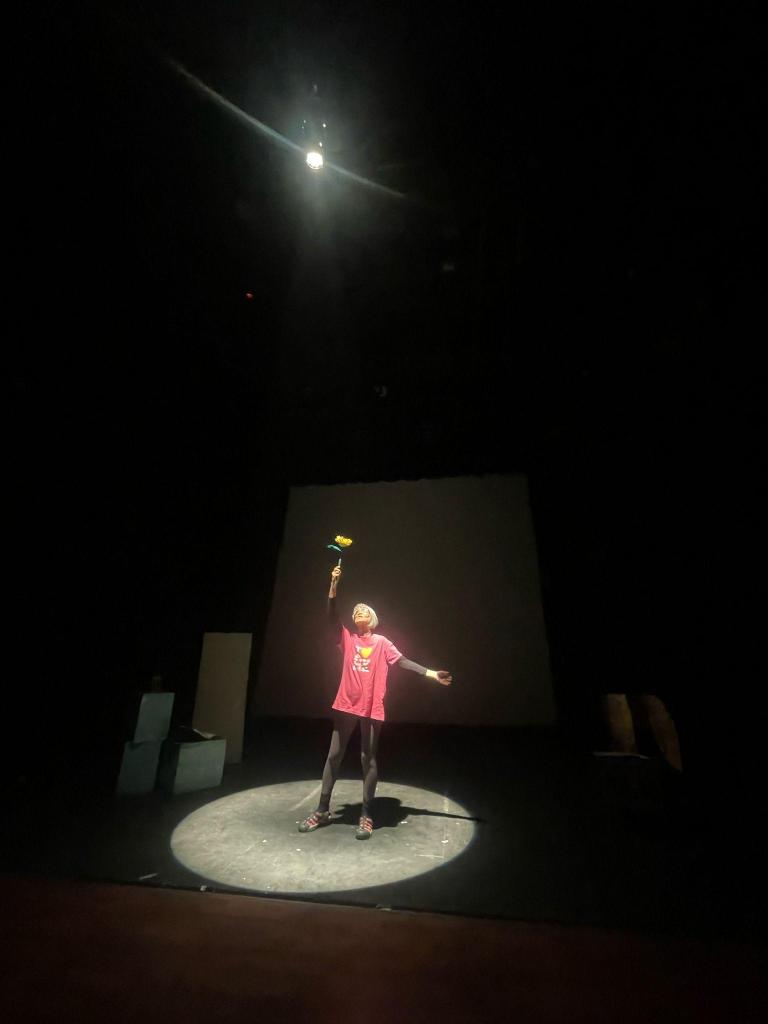
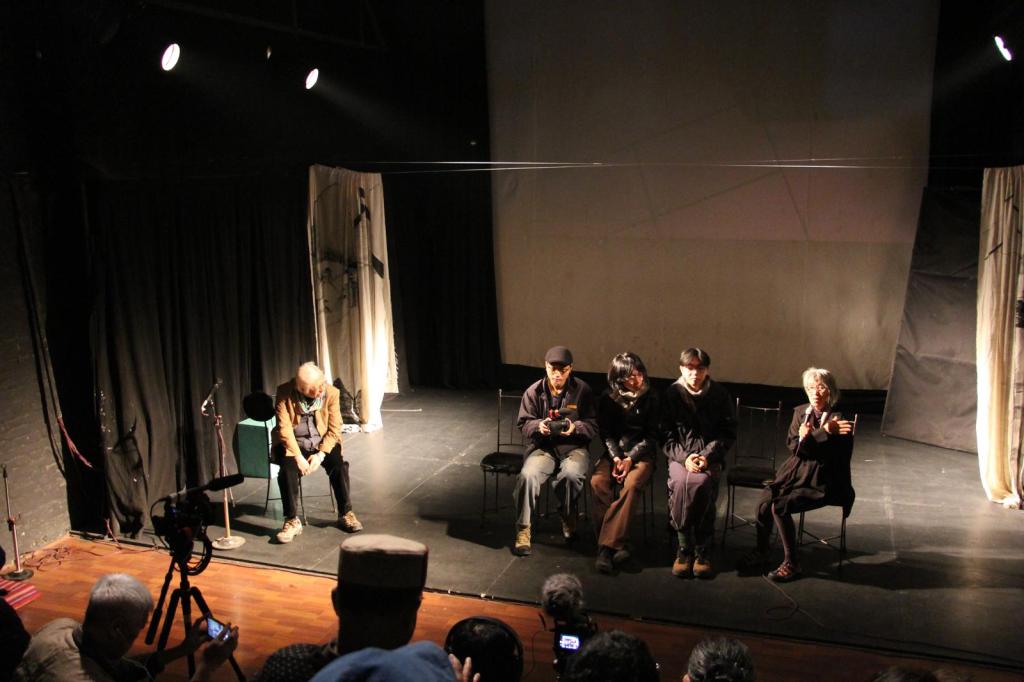
The International People’s Theatre Festival 2025, organized by the Asian People’s Theatre Festival Society in association with Sarwanam Theatre, was held in Kathmandu, Nepal, from March 1 to March 5. The festival featured a variety of performances, including drama shows, workshops, and exhibitions.
ITF 2025 Main Stage Lineup – Educational Theatre Association
The festival took place at Sarwanam Theatre in Kalikasthan, Putalisadak. The event included drama shows and workshops. A SAORI x DHAKA exhibition is also part of the festival. The festival aims to celebrate storytelling and cultural exchange through diverse theatrical performances from different countries.
由Asian People’s Theatre Festival Society與Sarwanam劇場共同舉辦的「International People’s Theatre Festival 2025」,於3月1日至3月5日在尼泊爾加德滿都舉行。本次劇場節包含多種表演形式,包括戲劇演出、工作坊以及展覽活動。
ITF 2025 主舞台陣容 – 教育戲劇協會
本次劇場節於Kalikasthan的Putalisadak地區Sarwanam劇場舉行,活動內容包括戲劇演出,以及工作坊。同時還有SAORI x DHAKA展覽作為節目的一部分。劇場節旨在通過來自不同國家的多元戲劇表演,慶祝故事敘述藝術與文化交流。
泥泊爾Viet 戲劇
地點:Sarwanam Theatre, Kalikastham, Putalisadak, Kathmandu, Nepal
日期:1st March to 5th March2025
Soari Exhibition
地點:Sarwanam Gallery, Nepal
日期:1st March to 12th March 2025
Weaving for Empowerment
Artist: Evelyna Liang, Art For All
Link: https://youtu.be/q6PUyn_a8Xg
Exhibition at International People’s Theatre Festival Kathmandu 1st -12th March 2025. The exhibition is curated by Dr. Evelyna Liang Yi Woo. And the following is her curatorial statement :

“Garden of Peace “
Saori Art and Texile installation
My interpretation of Saori’s weaving concept of wabi-sabi remains consistent, albeit with an increased appreciation for the beauty found in fragmented and reassembled forms. Engaging with diverse artistic and cultural experiences is beneficial for the reconstruction of societal frameworks, ultimately fostering freedom and peace. As articulated in the United Nations declaration, art possesses the capacity to unite disparate individuals and cultural backgrounds, forging connections through the collective imagination of humanity. I aspire to leverage artistic language to cultivate individual potential, thereby facilitating connections among varied people and entities.
In this exhibition, I embrace both the mandala symbol and labyrinth sacred path , to create a meditative Garden of Peace . Visitors can follow own’s pace to walk along …. and together to create the testament to our unity in the Creation .
The Dot represents oneness, a symbol of the unmanifested, the seed from which all begins.
The Circle embodies wholeness—the beginning and the end, integrity, and unity.
The Horizontal Line divides the earth from the sky, while the
Vertical Line connects worlds, channeling energy. At the heart of it all lies the Cross, where two lines converge to form a center.
Here, diverse cultures intertwine through Saori weaving and various textiles, joining in a circle, crossing paths, and merging as one. Together, we create spaces and form lines in between, crafting a sanctuary that makes us whole.
To me, Saori weaving is a meditation,
A dance upon the currents of thought,
A presence in the moment.
Here, I weave a “Garden of Peace”,
Intertwining cultures with you.
Whether a labyrinth path,
a mandala, or a zen garden,
Together, we create – the
tapestry of connection and harmony.
Curator note
Dr. Evelyna Liang
March 2025
Sarwanam Gallery , Nepal
Watch out for pictures of exhibition in KATHMANDU.
CO-ORDGANIZED by Asian People’s Theatre Festival Society and Sarwanam Theatre Company with the collaboration of SAORI Hiroba and Eiji Jo, SAORI organization (Cambodia), SAORI Thailand,
SAORI Philippines, Centre for Community Cultural Development (HK), Art for All (HK) and Anugraha Handicraft (Nepal)
「和平花園」
紗鷗麗編織與布藝裝置
我對 Saori 的流水式編織概念 wabi-sabi 佗寂的詮釋始終如一,儘管我可能同時欣賞破碎後重整的美。接觸多樣文化的藝術與文化經驗,有益於社會架構的重建,最終促進自由與和平。正如聯合國宣言所闡述的,藝術有能力團結不同的個人和文化背景,透過人類的集體想像力建立聯繫。我渴望利用藝術語言來培養個人潛能,從而促進不同的人和實存者之間的聯繫。
在這個展覽中,我同時運用了曼陀羅的符號和迷宮的神聖道路,來創造一個冥想的和平花園。參觀者可以跟隨自己的步調,心流….,見證並共朔我們在創造中的團結誓言。
圓點代表一體,是未顯現的象徵,也是一切開始的種子。
圓代表整體性 – 開始與終結、完整與合一。
水平線將大地與天空分開,而垂直線則將世界連接起來。
垂直線則連接世界,傳導能量。十字架位於一切的中心,兩條線在此匯合,形成一個中心。
在這裡,不同的文化透過紗織和各種紡織品交織在一起,形成一個圓圈,交叉並融合為一。我們一起創造空間,並在其間形成線條,打造出一個讓我們成為整體的聖所。
對我來說,Saori 紗麗編織是一種冥想、
在思潮中起舞、
當下的存在。
在這裡,我編織一個「和平花園」、
與您交織文化。
無論是迷宮之路、
曼陀羅,或是禪園、
我們一起創造
連結與和諧的維錦掛繡。
策展人
梁以瑚博士
2025 年 3 月
Sarwanam 畫廊,尼泊爾
感激二胡婆婆、莫昭如先生和亞洲民眾戲劇節協會讓我有這個機會來到尼泊爾。由於自己的 興趣和專業都圍繞著影像和聲音,突然來到一個戲劇節,當初也是抱著「看看可以學到什麼」 的想法來參與,結果這次旅程打開了我對藝術的各種想像,我感到無比幸運可以參與這次的 戲劇節。
自我開始創作以來,除了真誠作為我的基本原則,美學上的追求和實踐變成了我的燃料及目 標;這對我來說再正常不過,因為有誰不喜歡看到「美」的東西?但對一種具體明確的美學的 執著,如何將我慢慢引導到為藝術而做藝術的局面,這大概是大部分藝術學生在面對的困境。
剛來到IPTF的幾天,我和同行夥伴阿謙就著這個命題討論多時。面對設備及技術上的瑕疵以 及「不完美」的美學實踐,我們試圖理解這究竟是怎麼一回事,於是我開始思考我們做藝術的 意義。
第一次接觸民眾劇場這個概念,直接被他的功能和在地性震懾到,原來瑕疵的背後是由如此 多意義深遠的因素。回歸到每個社區裡的個體身上,任何人,即沒有受過任何藝術訓練的公民 ,尤其是小眾和被壓迫者,都能夠透過民眾劇場在公共空間中以創意、戲劇行駛話語權,甚至 在這個舞台上碰撞。
不論是Dramabox在星加坡演出以社區公眾投票參與劇情轉向,還是上海草台班去中心化且 有機的營運模式,在這次戲劇節認識到的各個團體都展示了藝術作為一種權力回歸於人民的 可能性。從個體到社區,通過藝術進行反覆的表達、溝通,促成以人為本的社群發展。
於是我腦袋裡面很自然浮現了一種對立:美學實踐、藝術造詣高到極致,在階級頂層的無法觸 碰的藝術,對着,來自於基層人民最根本的創意和聲音。但當然了,這是一種假對立,什麼是 美?什麼是藝術?這種問題根本還未梳理清楚,所以對立本來就不成立。但就着這種關於美學、藝術意義及其作用的思考:我的光譜又再變得遼闊一點。
展覽裡面的Saori織物是一個很強的例子。沒有正確方法的編織,任何方法都可以是答案。從 小眾的手中編織出最獨一無二,只有他們能夠做到的織物。在不完美裡面彰顯著一種個人、自 發且有力的創造力。當小眾因為這種自己的生產創造力而獲得個人甚至社會意義下的權力、 力量,透過創作來尋找自我表達和社會參與的途徑,誰可以定義什麼美與不美?我也因此重 新覺察到藝術作為治療的功能性。
我有一部拍攝長達一年的紀錄短片持續製作中,我希望呈現一個失聲被隱藏的年輕社群,當 中也包括我自己。
參與這次戲劇節的經驗,讓我反覆思考我自己作品的更多方向和可能性。我的作品如何可以 觸及到我希望觸及的觀眾?我可以如何更有效透過作品促進社群中的某些事情或對話發生?
對於製作完成後放映的安排,我的作品必然沒有可能在香港公映,加上我也有年輕想要證明 自己的銳氣,我很自然的把目光投向各個國際影展上,也希望可以透過這些平台發聲;但是否 拍完自己滿意的作品,做國際上有幾次放映事情就結束?
民眾劇場的形式刺激到我這方面的思考,尤其在紀錄片如何參與社群發展、凝聚聲音上,甚至 可能建立一個有機的社群。
當代裡跟民眾劇場特性最相符的東西,大概就是網絡、手機。這是是任何人都擁有的載體,甚 至已經變成我們身體的一部分;這也是劇場能夠發展成民眾劇場最重要的原因之一吧?因為 身體、手腳、聲音(vocal)是每個人都享有並且能加以運用的。於是,當手機以至鏡頭變成我 們日常生活甚至身體的一部份,任何人都能夠隨意拍攝之時,紀錄片的形式也許也到了變形 的時候。
近年許多深受壓迫者在高壓環境下拍出的紀錄片,也是而他們的手機作為鏡頭,網絡流傳的 影片作為素材去嘗試捕捉自己面臨的真實,透過網絡的特性紀錄片所建立的有機社群甚至可以更分散、流動。讓我不禁想像,民眾劇場和紀錄片如何能夠互相學習找到更有效的生存和發揮空間。
很多問題和思考我也暫時未能提供答案,但我會一直帶著這些問題繼續創作,希望我也能夠 透過紀錄片做更多,凝聚更多,促進更多更多事情發生。
我對於二胡婆婆和Dramabox郭慶亮的工作坊尤其深刻,他們分別透過點線面人肉紡織、 Protector and Fear的遊戲,異曲同工地展現了一個很重要的狀況:
兩個遊戲分別讓參加者物理或意識上縱橫交錯地交織在一起,獨立行動幾乎是沒有可能。只要有一個人移動,必然會有幾個人跟著移動;且當移動得越激烈,就越容易有人受傷。這彰顯 著一整個社群的生態。
二胡婆婆將一條幾十米長的繩把我們圍圈的每個人綁住,最後交織出錯亂的形狀。我深刻地 體會到自己身處於不同社群裡的重要性,我和身邊親朋戚友同學街坊的關係猶如線一般交纏 著,我們互相影響著大家行動。
Dramabox的遊戲甚至更貼近現實,我們預先選好圈裏面的兩個人分別為自己的protector以及 fear,而每個人都可以自由移動,只有一個原則:需要將protector持續置於你和fear中間。
於是所有人不斷跑來跑去,當你的對象移動時,你也必須移動;而當作為某人對象的你移動時 ,也有人必須因此移動。當你跑得越快,也越有可能讓人失去保護。最後大家開始轉圈一直跑 ,嘗試追上自己的protector同時逃離自己的fear,所有人在無可選擇下被推著一直跑。 “And this is how the world changes.” said Heng Leun。
而最可怕的是,就算所有人停下來商討排序,也沒有可能排出一個所有人都滿意的狀況,永遠 沒有一個完美的系統,可以做的就只有持續關注自己整個大環境以及被自己行動所影響的 人。
這兩個遊戲都很有效的反應我們的生活,深刻地讓我經驗到,我們必須時刻關注四周,只專注 在自己身上,很可能會將自己和別人置於危險之中。
個人主義不是一種選擇:當我只遵循個人意願行事時,我不是沒有拉動任何線而成為一座免 於世事的孤島;我只是無意拉動了線,卻看不見。當我不選擇回應的時候,其實已經選擇了不回應;當我不選擇時,我已經選擇了。
老實說這次吸收到的,也實在有太多未能盡錄,慶亮introduce的image theatre、PETA Kan的 配樂、Nako的讀劇形式、《告別》團隊的body poetry workshop還有很多很多。
我覺得整個旅程最重要的,是認識到世界國地面對苦難、壓逼然後利用藝術反抗的人們。為了追求一種更理想的生活,為了正義、平等和自由而努力的人們(我覺得大家都超級無敵帥)。無論是演出還是私下聊天,聽著各人細說自己的故事,聆聽著各個國家的狀況。也值得一提認識到年齡相若的、受壓逼但帶有理想和盼望的尼泊爾朋友們。彷彿如同戰友般從大家身上得到重要的力量。
我非常感恩可以參與到這次旅程,認識到這裏的人和事,聽到各式各樣的故事,學到很多自己 領域以外卻又與自己創作緊緊扣連的。
我跟二胡婆婆聊天時,發現她有一個很重要的特質就是多管閒事。很多時候她創作的源頭都 是源於某些別人受苦而刺激她去問:What can I do?
很多時候也許因為能力不足,又也許因為其實處理自己的問題已經夠累了,而只是看到自己 眼前的。但將視野放遠一點時,感覺自己能夠做到的其實比想像中多很多。這個世界需要更多 人帶著利他精神活著並行動著。What can I do? 我也會繼續帶著這個問題繼續學習和創作。
The following is Mr. Wang Lok-Yiu’s reflection on this People’s Theatre Festival.
I am deeply grateful to the 2woo popo, Mr. Mok Chiu Yu, and the Asian People’s Theatre Festival Society for giving me the opportunity to visit Nepal. As someone whose interests and profession revolve around visuals and sound, attending a theater festival was a new and unexpected experience. Initially, I came with an open mind, curious about what I could learn. This journey, however, expanded my imagination about art in ways I never expected. I feel incredibly fortunate to have participated in this festival.
Since I began creating, sincerity has always been my core principle. Pursuing and practicing aesthetics has become my driving force and goal. It feels natural—after all, who doesn’t enjoy seeing something beautiful? But being overly fixated on a specific form of beauty gradually led me to a point where I was creating “art for art’s sake.” This is a common struggle for many art students.
During the first few days at IPTF, my partner Ah Him and I had long discussions on this topic. Faced with technical imperfections and the idea of “flawed” aesthetic practice, we tried to understand what it all meant. It got me questioning the purpose of creating art.
The concept of People’s Theater was entirely new to me, and I was deeply struck by its functionality and connection to local communities. Behind the imperfections lies a profound meaning: in every community, individuals—including those without formal training in art, marginalized groups, or the oppressed—can use People’s Theater as a creative platform to express themselves and claim their voice in public spaces.
Whether it’s Dramabox in Singapore using community participation to decide plot twists or Shanghai Grass Stage’s decentralized and organic approach, the groups I encountered at this festival demonstrated how art could return power to the people. Through repeated expression and communication, art fosters human-centered community development.
This made me think about a contrast: the pursuit of “perfect” art, inaccessible and untouchable at the top of the hierarchy, versus grassroots creativity and voices from the people. Of course, this is a false dichotomy. What is beauty? What is art? These questions remain unresolved. But reflecting on the meaning and role of aesthetics and art has broadened my perspective.
For example, the Saori weaving in the exhibition offered a strong example of imperfection. Without a “correct” method, any approach can be the right one. These unique pieces, created by marginalized individuals, showcase personal, spontaneous, and powerful creativity. When people gain personal and social empowerment through their creativity, who gets to define what is beautiful or not? This also reminded me of art’s therapeutic potential.
Reflections on Documentary Filmmaking
I’ve been working on a short documentary for over a year, focusing on an overlooked and silenced community of young people, including myself.
This theater festival experience has sparked new thoughts and possibilities for my work. How can my documentary reach the audience I want to connect with? How can it effectively foster conversations or actions within a community?
Given the constraints in Hong Kong, my work likely won’t be screened publicly there. As a young creator eager to prove myself, I naturally look toward international film festivals as platforms to share my voice. But is the journey over once the film is screened a few times internationally?
The People’s Theater concept challenged my thinking, especially about how documentaries can contribute to community development, amplify voices, and even build organic communities.
In today’s world, the closest parallel to People’s Theater might be the internet and mobile phones, tools that everyone possesses—so integral they’ve become part of our bodies. Similarly, theater thrives as People’s Theater because it utilizes the body, voice, and actions that everyone has access to. As cameras and smartphones become an extension of daily life, anyone can film at any time. Perhaps documentary filmmaking is also at a turning point.
In recent years, many underprivileged individuals have used phones to film in oppressive environments, capturing their realities and sharing them online. These recordings, combined with the internet, have created decentralized and fluid communities. It makes me wonder how People’s Theater and documentary filmmaking can learn from each other to create more space for survival and impact.
I don’t have answers to many of these questions yet, but I’ll carry them with me as I continue to create, hoping to do more, connect more people, and make more things happen.
Workshops – Reflections on the World
I was particularly moved by the workshops led by the 2woo popo and Dramabox’s Kok Heng Leun. Both used different methods—knot weaving and the “Protector and Fear” game—to reveal a powerful truth:
We often unintentionally harm others because of our own needs.
In the workshops, participants were physically and metaphorically intertwined. Independent action became almost impossible—every movement affected others. The more intense the motion, the more likely someone would get hurt, reflecting the dynamics of an entire community.
In the 2woo popo’s session, she used a long rope to connect everyone in a circle, weaving it into a tangled mess. I realized how deeply interconnected I am with those around me—family, friends, classmates, and neighbors. Our actions influence each other.
Dramabox’s game took this further. Each participant chose a “protector” and a “fear” within the circle and had to keep their protector between themselves and their fear. This created chaos, as everyone kept moving to maintain this balance, inadvertently affecting others. The faster someone moved, the more likely they disrupted others.
Heng Leun concluded, “And this is how the world changes.”
Even when everyone paused to discuss solutions, it was impossible to create a perfect system that satisfied everyone. All we can do is stay aware of the environment and the people our actions affect.
These workshops reminded me that individualism isn’t an option. When I act solely based on personal will, I’m not isolating myself—I’m unknowingly pulling strings that affect others. Choosing not to respond is, in itself, a choice.
There are so many things I’ve learned from this journey that I can’t fully capture here. From image theater introduced by Kok Heng Leun, PETA Kan’s music workshop, Nako’s play reading, and the body poetry workshop by the “Farewell” team, I’ve gained invaluable insights.
What struck me most was meeting people from around the world who face oppression and use art to resist it. They strive for justice, equality, and freedom, inspiring admiration and respect. Through performances and conversations, I listened to their stories and learned about their struggles. I also met young Nepalese friends, full of hope despite the challenges they face, and felt a sense of solidarity with them.
I am deeply grateful for this opportunity to participate in the festival, meet incredible people, hear diverse stories, and learn so much outside my usual field.
When talking to the 2woo popo, I realized one of her key traits is her willingness to “meddle.” Many of her creations stem from seeing others in pain and asking, “What can I do?”
Sometimes, we feel powerless or too overwhelmed by our own problems to act. But when we broaden our perspective, we realize we can do far more than we imagine. This world needs more people with altruistic spirits who take action.
What can I do? I’ll carry this question with me as I continue to learn and create.
 全人藝動 Art for All